
Why This Plant Matters
Achillea millefolium brings a whole ecosystem to life right outside your door—like inviting over a crowd of pollinator friends who always bring good energy and never overstay their welcome. As a straight-species native to the United States, this hardy yarrow knows exactly how to settle in gracefully, unfurling those feathery green leaves and sending up broad, nectar-rich flower clusters that act like an all-you-can-sip buffet for butterflies, native bees, lacewings, and other helpful garden regulars. It blooms with that generous, no-rush attitude—steady, dependable, and always ready for another round of visitors. Below the soil line, its deep roots quietly go about their work, weaving structure and organic richness into the ground like a master gardener who never asks for credit. And because your plants arrive grown without the use of Neonicotinoids, the pollinators you’re hoping to welcome can enjoy this feast with complete peace of mind.
Achillea millefolium is a keystone plant.
(Keystone plants are defined as – A small group of native plants that support the largest number of caterpillar species, which in turn feed the greatest number of birds and sustain local food webs.)
Where Butterflies Begin:
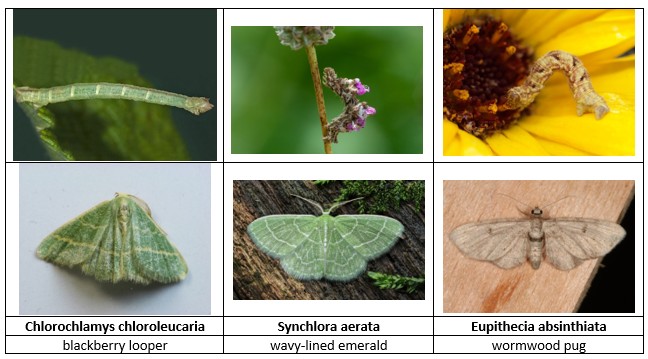
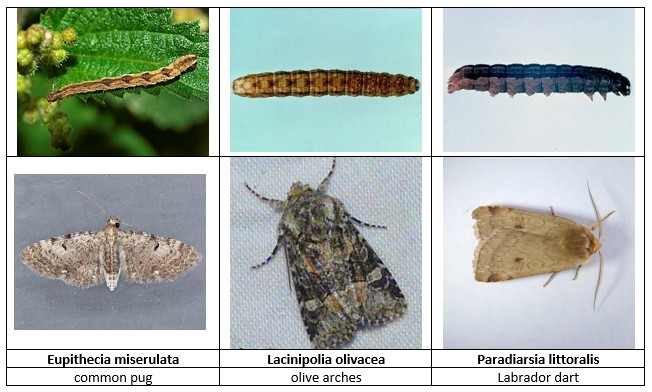
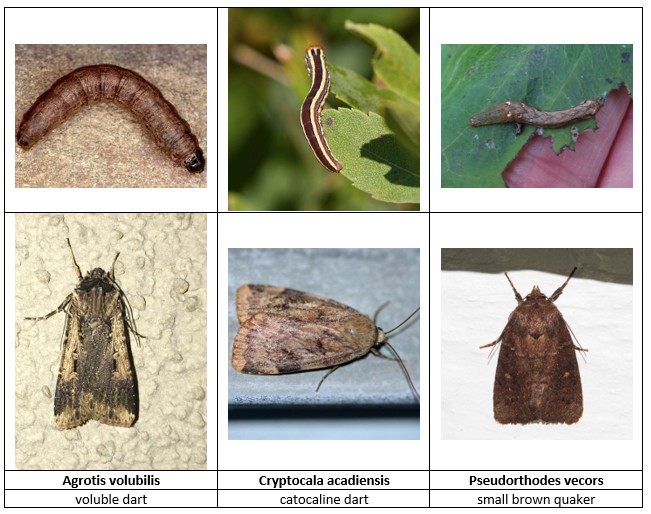
Yarrow as a Host Plant
Lepidoptera—our butterflies and moths—are quiet powerhouses in the local ecosystem, doing far more than adding flashes of color to the garden. These insects are among the most important converters of plant energy into animal energy, forming the backbone of a functioning food web. Their caterpillars are exceptionally nutrient-rich and serve as essential food for nesting birds, small mammals, reptiles, and amphibians. At the same time, adult moths and butterflies pollinate a wide array of native plants, many of which rely on them for successful reproduction. When we support Lepidoptera by planting the native species they evolved alongside, we strengthen every layer of the ecosystem—from the soil beneath our feet to the songbirds in our trees. In other words, when you plant for caterpillars, you’re not just gardening—you’re rebuilding nature.
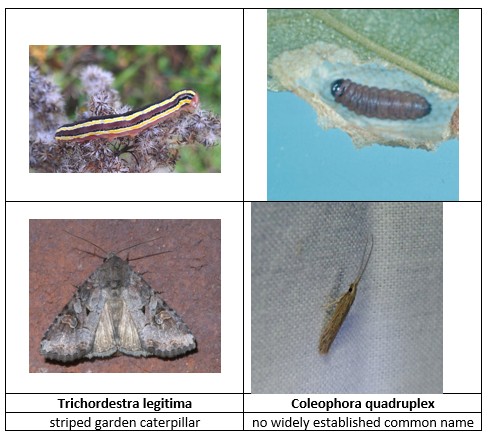
Who’s Visiting?
Pollinators Drawn to Yarrow
Pollinators are the driving force behind healthy ecosystems, quietly powering the processes that allow landscapes to thrive. As they move from bloom to bloom, they enable native plants to produce the seeds and fruits that form the foundation of the food web. These plants, in turn, support the caterpillars and other insects that birds depend on to raise their young, creating a chain of life that begins with a single grain of pollen. Without pollinators, this intricate system begins to unravel—fewer plants reproduce successfully, insect populations decline, and the wildlife that relies on them struggles to survive. When we protect and nurture pollinators, we’re sustaining the natural cycles that keep our local environment vibrant, resilient, and full of life.
These little bees are far too busy collecting pollen to worry about you—they’re basically the introverts of the garden world. They’re non-aggressive, keep to themselves, and will only sting if you really insist on bothering them. Give them a little room to work, and they’ll happily stay focused on their floral to-do list while keeping your garden buzzing and healthy.
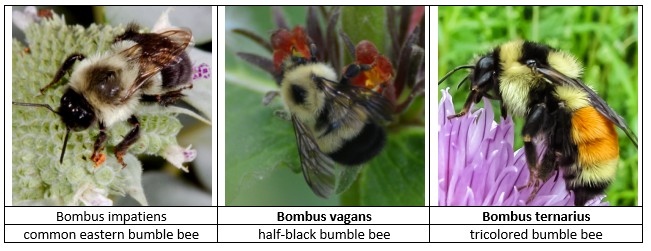
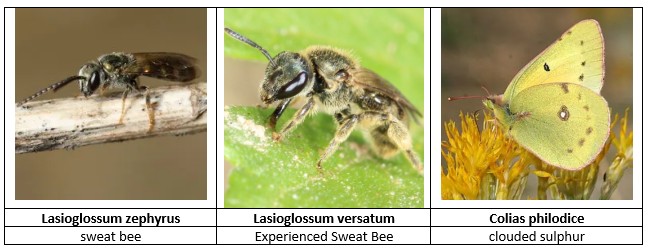
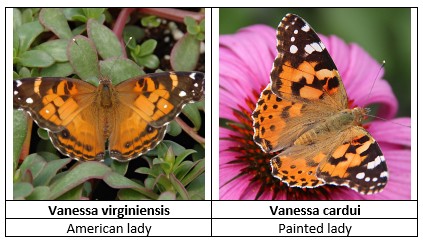
Achillea millefolium plays a meaningful role in building healthier soil across a home landscape. Its finely divided, fibrous root system helps stabilize the ground, reduce erosion, and improve soil structure by creating small channels that increase aeration and water infiltration. As the plant naturally sheds roots and foliage over time, it adds organic matter that supports beneficial microorganisms essential for nutrient cycling. Common yarrow is also known for its ability to thrive in poor or disturbed soils, gradually enhancing them through increased microbial activity and improved aggregation. By incorporating this resilient native perennial into a planting area, gardeners support a more balanced, living soil system that strengthens the foundation of the entire garden ecosystem.
Let it Stand:
Winter Benefits of Yarrow
Allowing Achillea millefolium to stand through the winter offers valuable benefits for your garden’s ecosystem. Its dried stems and seed heads provide structure and shelter for overwintering insects, while also helping to protect the soil from erosion during freeze–thaw cycles. Leaving the plant intact supports natural decomposition processes that enrich the soil over time. For the health of both the plant and the wildlife that depends on your garden, it’s best to wait until spring to cut it back—ideally when nighttime temperatures consistently rise above 50 degrees Fahrenheit. This timing ensures that overwintering insects have emerged and the plant is ready to begin a fresh season of growth.
Where Hyssop-leaved Boneset Thrives
Eupatorium hyssopifolium prefers full sun to light shade and thrives in dry to moderately moist, well-drained soils, including sandy or gravelly sites. It produces clusters of small white flowers with a light, subtle fragrance from late summer into early fall. Mature plants typically reach 2–4 feet tall and about 2–3 feet wide. This species is hardy in USDA Zones 4–8 and performs best when allowed to grow in naturalistic plantings where air circulation and sunlight are ample.
What To Expect
Achillea millefolium is an adaptable, easy-to-grow perennial that performs well in a wide range of garden conditions. It thrives in full sun and prefers well-drained soil, though it can tolerate poor or sandy sites once established. This species produces soft, white flower clusters that typically bloom from early summer into early fall, offering a long season of visual interest and ecological value. Reaching about 2 feet tall and 2 feet wide at maturity, it forms a sturdy, upright clump that fits well in borders, meadows, and naturalized plantings. Hardy in USDA Zones 3–8, Achillea millefolium is a durable choice for gardeners seeking a low-maintenance plant that delivers both beauty and resilience.