

Why This Plant Matters
Eupatorium hyssopifolium is one of those quietly impressive natives that doesa lot of good without asking for much in return. As a straight species native to the Northeastern United States, it fits naturally into local food webs, offering nectar, pollen, and structure exactly when many insects need it most. Its late-season blooms act like a neighborhood café for pollinators topping off before fall, while its foliage supports insects that fuel birds and other wildlife. Grown without the use of neonicotinoids, this plant delivers its ecological benefits cleanly and honestly—no gimmicks, just a dependable native doing what it has done here for thousands of years.
Where Butterflies Begin:
Hyssop-leaved Bonesetas a Host Plant
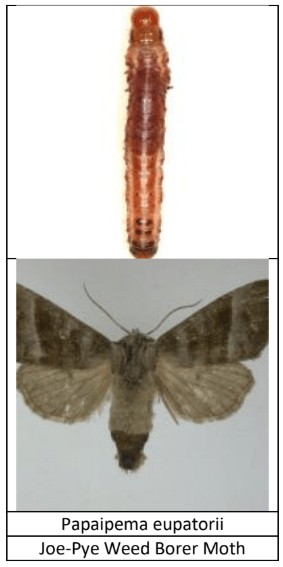
Lepidoptera are foundational to terrestrial ecosystems, converting plant tissue into protein-rich biomass that supports birds, reptiles, and other wildlife. Their caterpillars are especially critical; a single pair of chickadees must gather between 6,000 and 9,000 caterpillars to raise just one brood, and larger birds require even more. Native host plants such as Eupatorium hyssopifolium help sustain these food chains at their most essential stage.
Who’s Visiting?
Pollinators Drawn to Hyssop-leaved Boneset
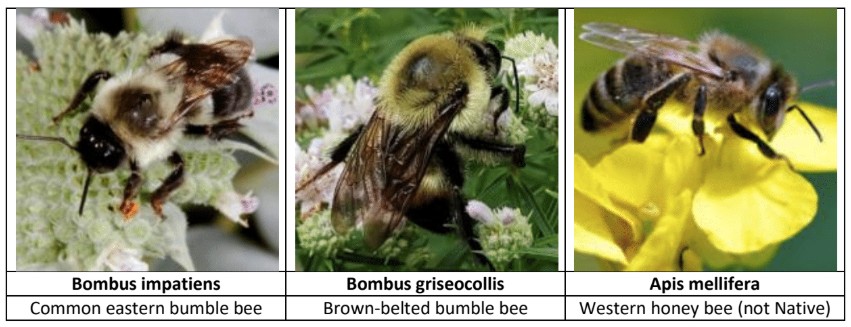
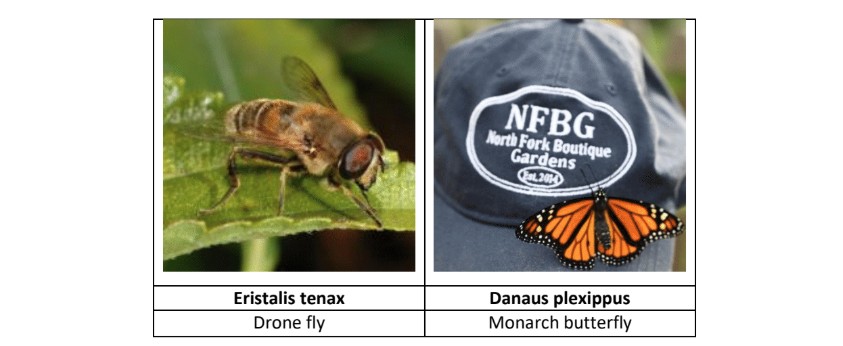
Pollinators are responsible for moving genetic material through plant populations, maintaining diversity, resilience, and seed production across landscapes. Native bees, flies, and butterflies perform this work efficiently and with little drama—most are focused on flowers, not people, and are very unlikely to sting unless seriously provoked. In other words, they are far more interested in nectar than in you, and they don’t even ask for coffee breaks.
How This Plant Supports Local Wildlife
Eupatorium hyssopifolium supports wildlife by sustaining robust insect populations that form the foundation of local food webs, directly benefiting birds and other organisms at higher trophic levels. Its late-season flowering increases insect availability at a critical time when many birds are preparing for migration or overwintering, while the plant’s upright stems and persistent seed heads extend structural habitat and food resources well into winter. Together, these attributes help support healthier populations of songbirds through increased insect prey availability and provide goldfinches with both seeds and insect food sources.
This native perennial contributes to soil health through a fibrous root system that helps stabilize soil and improve structure over time. As roots grow and die back seasonally, they add organic matter below ground, increasing microbial activity and nutrient cycling. Leaf litter and standing stems further enrich the soil surface, supporting fungi and beneficial organisms that build long-term soil resilience and water infiltration.
Let it Stand:
Winter Benefits of Hyssop-leaved Boneset
Leaving Eupatorium hyssopifolium standing through winter turns your garden into a functional habitat rather than an empty stage. Hollow stems provide shelter for overwintering insects, while seed heads persist as food sources and visual interest during colder months. Cutting the plant back in spring—once nighttime temperatures are consistently above 50°F—protects these overwintering allies and ensures they can rejoin the ecosystem right on schedule.
Where Hyssop-leaved Boneset Thrives
Eupatorium hyssopifolium prefers full sun to light shade and thrives in dry to moderately moist, well-drained soils, including sandy or gravelly sites. It produces clusters of small white flowers with a light, subtle fragrance from late summer into early fall. Mature plants typically reach 2–4 feet tall and about 2–3 feet wide. This species is hardy in USDA Zones 4–8 and performs best when allowed to grow in naturalistic plantings where air circulation and sunlight are ample.
What To Expect
Year 1: Roots settle in, steady growth
Years 2–3: More blooms, more insects, more visible life
Long term: A dependable, low-stress plant that keeps showing up